Why Select a Full Service Oil Change: Your Essential Guide to Quality Maintenance
Choosing a complete oil change is a crucial aspect of car upkeep. This process goes beyond simply changing oil and filters; it encompasses thorough inspections of key engine components. Recognizing the benefits of these thorough oil changes can lead to improved performance and longevity of the vehicle. However, many vehicle owners may overlook the specifics of what makes a full-service oil change beneficial. Investigating these details reveals why this choice is essential for ideal car care.
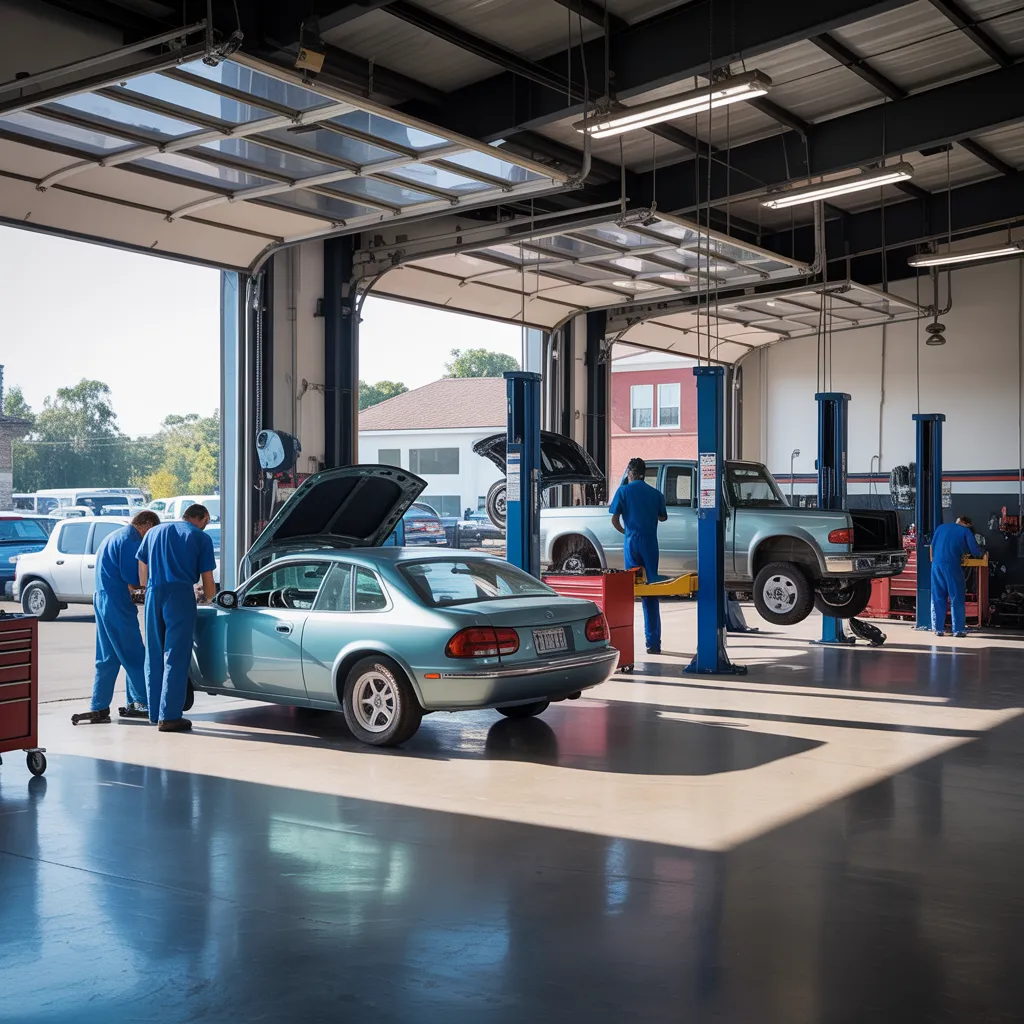
Why Routine Oil Changes Are Important
Regular oil changes are vital for preserving a vehicle's efficiency and lifespan, as they ensure the engine operates seamlessly and effectively. Engine oil lubricates moving parts, minimizing friction and protecting against deterioration. With continued use, oil breaks down from heat and impurities, losing its effectiveness. This could cause heightened engine degradation, lowered efficiency, and significant mechanical damage.
Routine oil changes assist in maintaining optimal engine temperature, as clean oil successfully manages engine heat. Furthermore, they enhance fuel economy, since an adequately lubricated engine demands less power to function. Neglecting oil changes may lead to expensive repairs and a reduced vehicle lifespan.
In addition, scheduled maintenance can enhance resale value, as a thorough service history reflects reliability and care. To conclude, scheduled oil changes are a crucial element of automotive care, guaranteeing both power and preservation for the engine system over time.
The Basics of a Full-Service Oil Change
A complete oil change service encompasses several key elements that provide peak engine performance. Initially, technicians select the appropriate oil type according to the vehicle's requirements, confirming optimal lubrication and efficiency. This is supported by replacing the oil filter, which removes contaminants and prevents them from circulating in the engine.
Moreover, a complete oil change commonly features an thorough inspection of numerous engine elements, such as belts and hoses, which enables the discovery of potential issues before they worsen. Tire pressure checks and fluid level inspections, including coolant and brake fluid, are also typical components within this service.
These critical tasks not only improve engine lifespan but also play a role in overall vehicle safety. By committing to these methods, vehicle owners can verify that their engines perform smoothly and efficiently, ultimately minimizing the risk of costly repairs over time.
What Occurs During a Full-Service Oil Change?
Throughout a comprehensive oil change service, skilled technicians diligently perform a set of systematic steps intended to ensure peak engine health. To begin, they lift the car to reach the oil pan and filter. The old oil is then drained, eliminating harmful impurities and contaminants accumulated over time. After this step, the technician replaces the oil filter to guarantee optimal filtration for the fresh oil.
After this step, clean oil is added, in accordance with the vehicle manufacturer's specifications for type and viscosity. The mechanic also checks other important parts, including the belts, fluids, and air filter, providing recommendations for further service if necessary. Finally, a complete check of the vehicle's undercarriage and exterior can reveal other possible concerns, guaranteeing comprehensive service.
This structured method not only enhances engine performance but also extends the vehicle's lifespan, making full-service oil changes a wise investment for vehicle owners.
Kinds of Oil for Your Vehicle
Knowing the right kind of oil for a vehicle is crucial for sustaining engine health. Vehicles typically utilize one of three principal types of oil: conventional, synthetic, or a blend of both. Conventional oil, derived from refined crude oil, is commonly used in older models and offers adequate protection at a lower cost. Synthetic oil, engineered in laboratories, delivers superior performance, particularly in extreme temperatures, and is perfect for modern engines demanding higher efficiency. Finally, synthetic blends integrate the benefits of both conventional and synthetic oils, offering enhanced protection at a moderate price point.
Choosing the right oil additionally requires factoring in the vehicle's manufacturer guidelines, which detail oil standards and viscosity ratings. Complying with these guidelines provides optimal lubrication and aids in preventing engine wear, thereby prolonging the longevity of the car. Recognizing these oil types empowers car owners to reach well-informed conclusions during scheduled maintenance.
Improving Engine Performance Through Full-Service Oil Changes
Consistent comprehensive oil changes can significantly improve engine efficiency and durability. By swapping out aged, broken-down oil with new, premium-grade oil, the engine operates more smoothly and efficiently. This service works to minimize friction among engine components, which in turn limits mechanical wear and tear. Additionally, comprehensive oil change services typically involve the replacement of the engine oil filter, guaranteeing that contaminants are effectively removed from the oil flow system.
This comprehensive method not only maintains peak lubrication but also aids in regulating engine temperature, reducing the risk of overheating. Improved engine performance is often noticeable, with enhanced acceleration and fuel efficiency. Moreover, staying on top of regular oil changes can prolong engine lifespan, enhancing the overall dependability of the vehicle. By making full-service oil changes a priority, vehicle owners can ensure their engines perform at their best, ultimately saving time and money on costly repairs in the long run.
Tips for Maintaining Your Vehicle Between Oil Changes
Keeping a vehicle between oil changes is vital for securing long-lasting performance and reliability. Consistently monitoring fluid levels, such as brake fluid, coolant, and power steering fluid, works to prevent future complications. Proper tire care, including checking air pressure and tread depth, is essential for fuel efficiency and safety. In addition, examining headlights and wipers provides visibility in various conditions.
Regular washing of the vehicle, inside and outside, safeguards the paint and interior surfaces. It is also helpful to watch for any strange noises or warning indicators, as these can indicate underlying problems. Keeping the battery terminals clean and checking that the battery is firmly in place can avoid startup problems. Finally, maintaining a set schedule for rotating tires and swapping out air filters supports the long-term health of the vehicle. By implementing these practices, vehicle owners can extend the lifespan of their cars and enhance their driving experience.
When You Should Schedule Your Next Full-Service Oil Change
When should you plan a full-service oil change? Experts recommend adhering to the manufacturer's guidelines, commonly detailed in the owner's manual. The majority of vehicles need an oil change between 3,000 and 7,500 miles, depending on the type of oil used and driving conditions. High-performance synthetic oils may review this content extend intervals, whereas regular short trips or harsh weather conditions may call for more frequent changes.
Moreover, signs such as the oil change warning light or strange engine sounds can indicate the need for urgent maintenance. Consistent tracking of the oil level and condition is vital; if the oil appears dark or gritty, it's time for a change. Planning a comprehensive oil change during regular maintenance visits can also help avert significant problems in the future. At the end of the day, keeping up with oil changes plays a major role in the performance and longevity of the vehicle.
Questions We Often Receive
How Much Time Does a Full-Service Oil Change Usually Take?
A comprehensive oil change generally requires between 30 minutes to an hour. The time required may differ based on the technician, make and model of the vehicle, and any extra maintenance services completed at the time.
Should I Wait Longer Than Advised Between Oil Changes?
Going beyond the recommended period between oil changes can result in mechanical wear and diminished vehicle performance. It's advisable to comply with the manufacturer's guidelines to guarantee peak vehicle health and longevity. Consistent servicing is key.
What Oil Brands Are Used for Your Full-Service Changes?
Trusted auto shops commonly utilize high-quality brands such as Valvoline, Pennzoil, Mobil 1, and Castrol for complete oil change services. These products are renowned for their reliability and performance, ensuring superior engine protection and efficiency.
Should I Schedule an Appointment Before Getting an Oil Change?
Certainly, it is recommended to schedule an appointment for an oil change. This provides timely service, shortens wait times, and permits the service provider to manage resources efficiently for the proper maintenance of the vehicle.
Are There Any Warranties Associated With Full-Service Oil Changes?
Numerous professional oil change facilities extend service warranties that encompass materials and workmanship. Such warranties typically guard against faults or complications stemming from the completed service, guaranteeing satisfaction for vehicle owners and extra peace of mind for routine vehicle upkeep.
Comments on “Keep Your Car Running Smooth with Full Service Oil Change Carrollton TX”